<img height="1" width="1" style="display:none" src="https://www.facebook.com/tr?id=3509417845754683&amp;ev=PageView&amp;noscript=1">
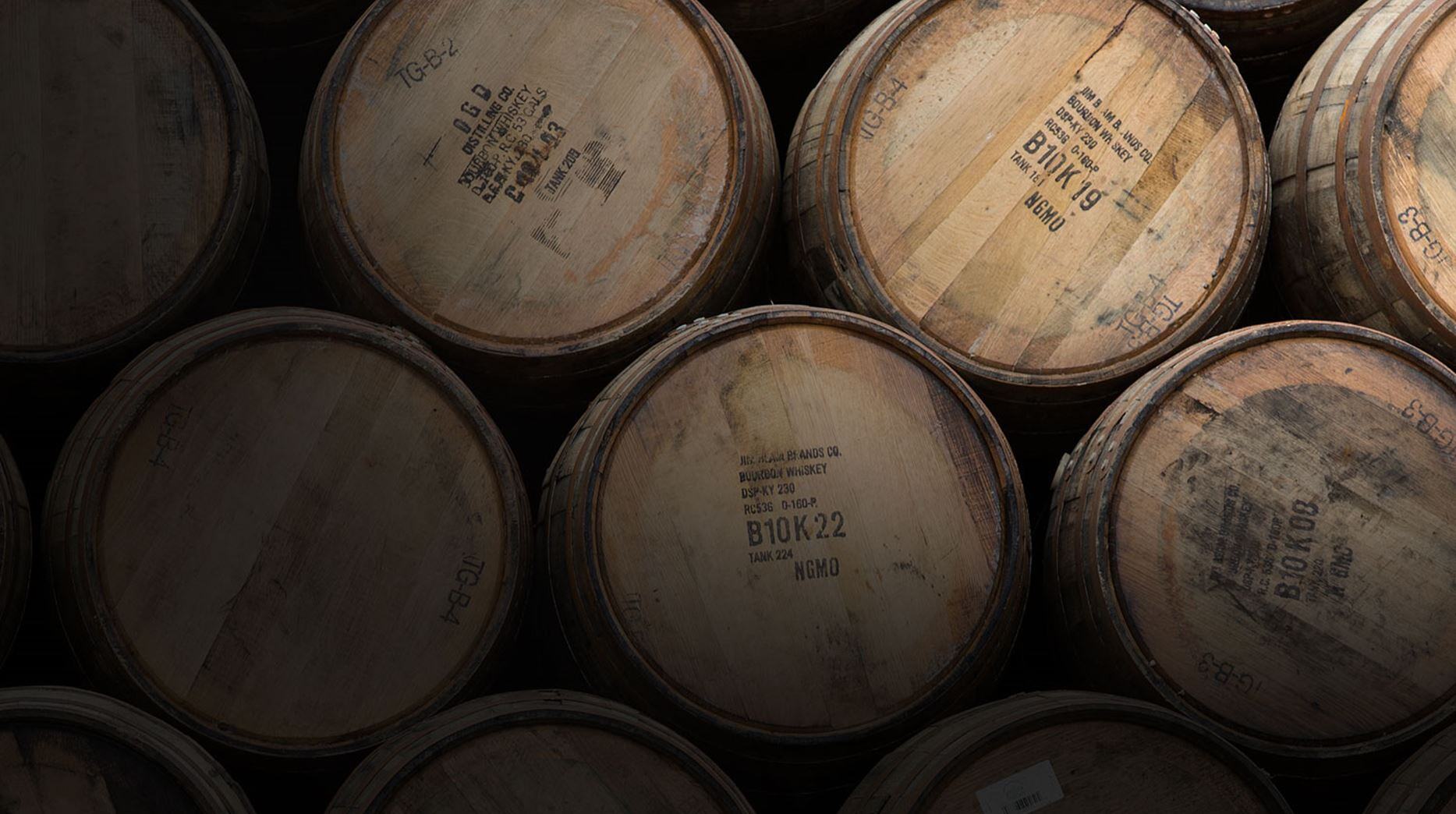
A stack of whisky casks in a Gordon and MacPhail whisky warehouse

The cask

Every detail is important, from branch to barrel
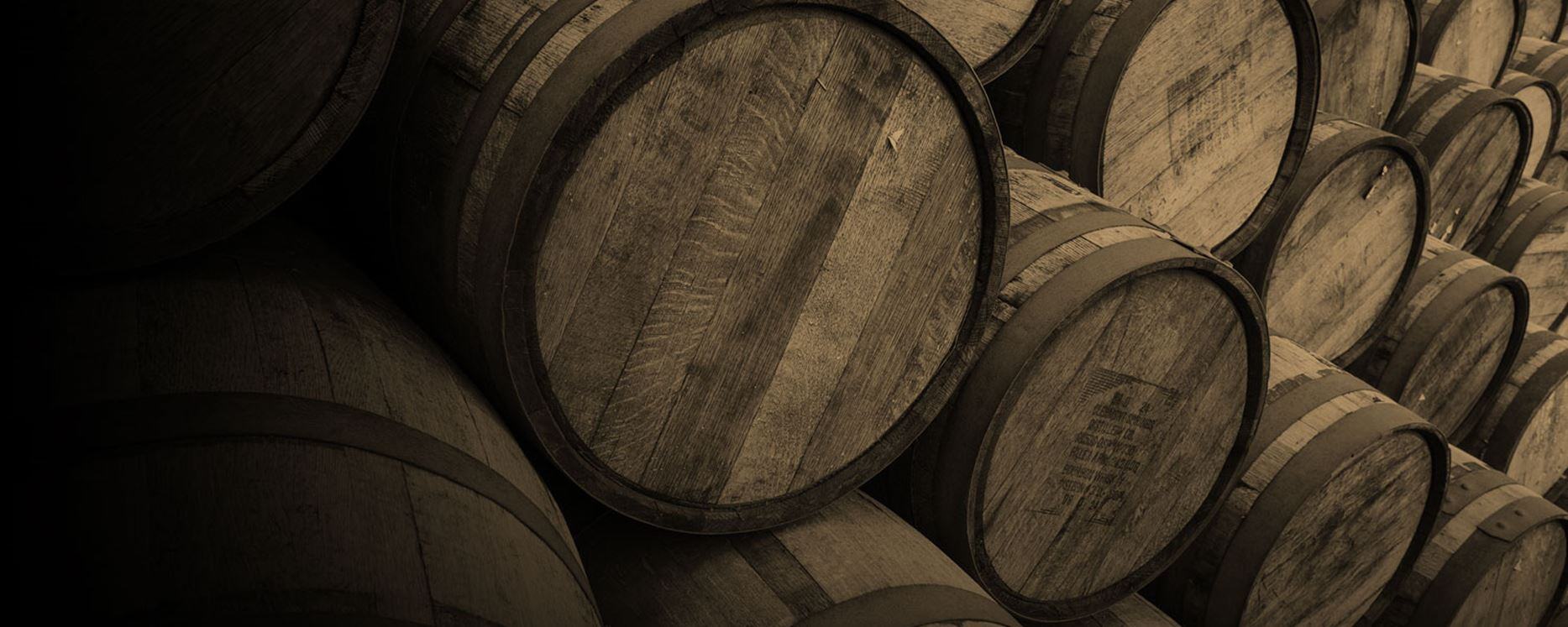
A good cask is one that
delivers what you want it to deliver.

For over one hundred and thirty years Gordon & MacPhail has carefully
matched spirit with oak. This interaction is the key point in the maturation process, where oak cradles spirit until it is ready to be released as Single Malt Scotch Whisky. We have learned from our vast experience that the wood makes the whisky. Managing a portfolio of casks is a complex business. We have honed our expertise over generations allowing us to fully understand how the different styles of spirit produced by Scotland’s individual distilleries matures in cask.


It is this cask curation that allows us to consistently deliver our range of
perfectly matured whiskies. Our maturation management creates complex, balanced and subtle Single Malts, which will only carry the Gordon & MacPhail name when ready. This book provides a rare insight into Gordon & MacPhail’s philosophy in matching wood to spirit

If we didn’t have casks, we wouldn’t have whisky. It is the interaction within oak casks which is so fundamental to the end result; a slow transformation of clear new-make spirit into Scotch whisky, creating a golden liquid with exceptional flavour.

As much as maturation matters, so does perfect timing and the perfect cask. Choosing the right casks to transform our specially selected clear new-make spirit into the best quality whisky is where our experience and expertise excel.

From the species of tree to the level of heat charring on the inside of a finished cask, it is imperative that we have control over every aspect. From branch to barrel, we aim to deliver a perfectly matured whisky time and time again.

Below we will explain the details we specify for our casks, what impact these decisions have on maturation, and how we maintain and manage our wood, for the benefit of our whisky.

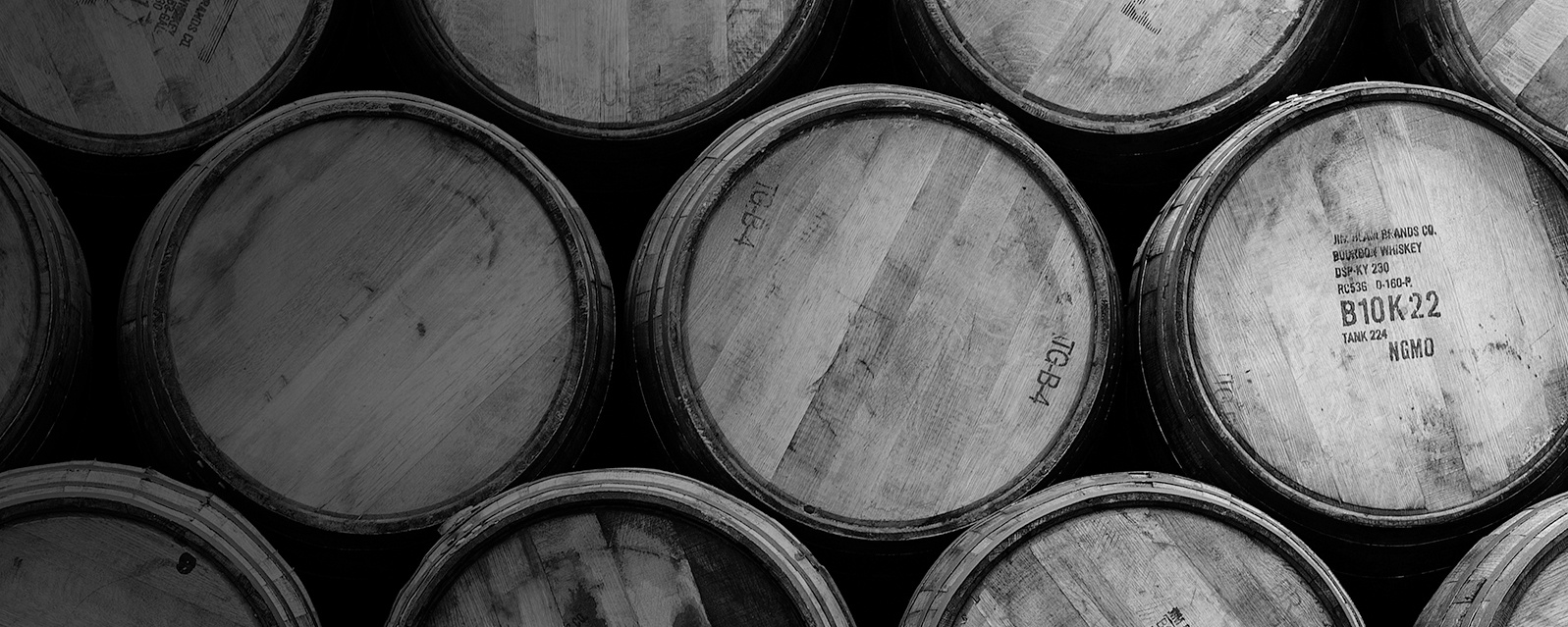
a large amount of stacked whisky barrels in a Gordon and MacPhail warehouse

The perfect match.  

“We know casks from the inside out”

Since 1895 Gordon & MacPhail has bottled whisky from the majority of Scotland’s distilleries. However, where others simply bottle whisky, we
focus on maturing it. Using the most valuable tool we have, our experience, we understand casks from the inside out.

Every cask in our portfolio has a fate. Each one is thoughtfully combinedwith a specific clear new-make spirit to create a complex, subtle, and balanced whisky, be it eight years old or seventy-five years old. It is this awareness of our casks coupled with our knowledge of the diverse spirits made by the different distilleries across Scotland, which guarantees the highest quality for every whisky in our range. 

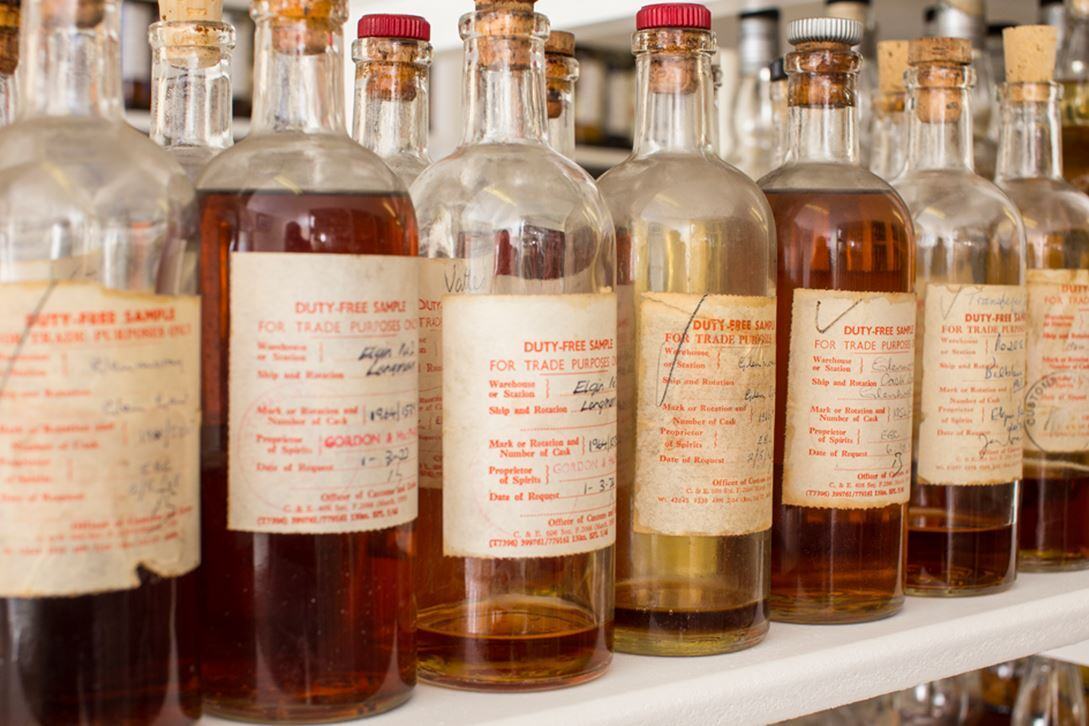
Numerous bottles of whisky in the Gordon and MacPhail sampling room.

A liquid library.

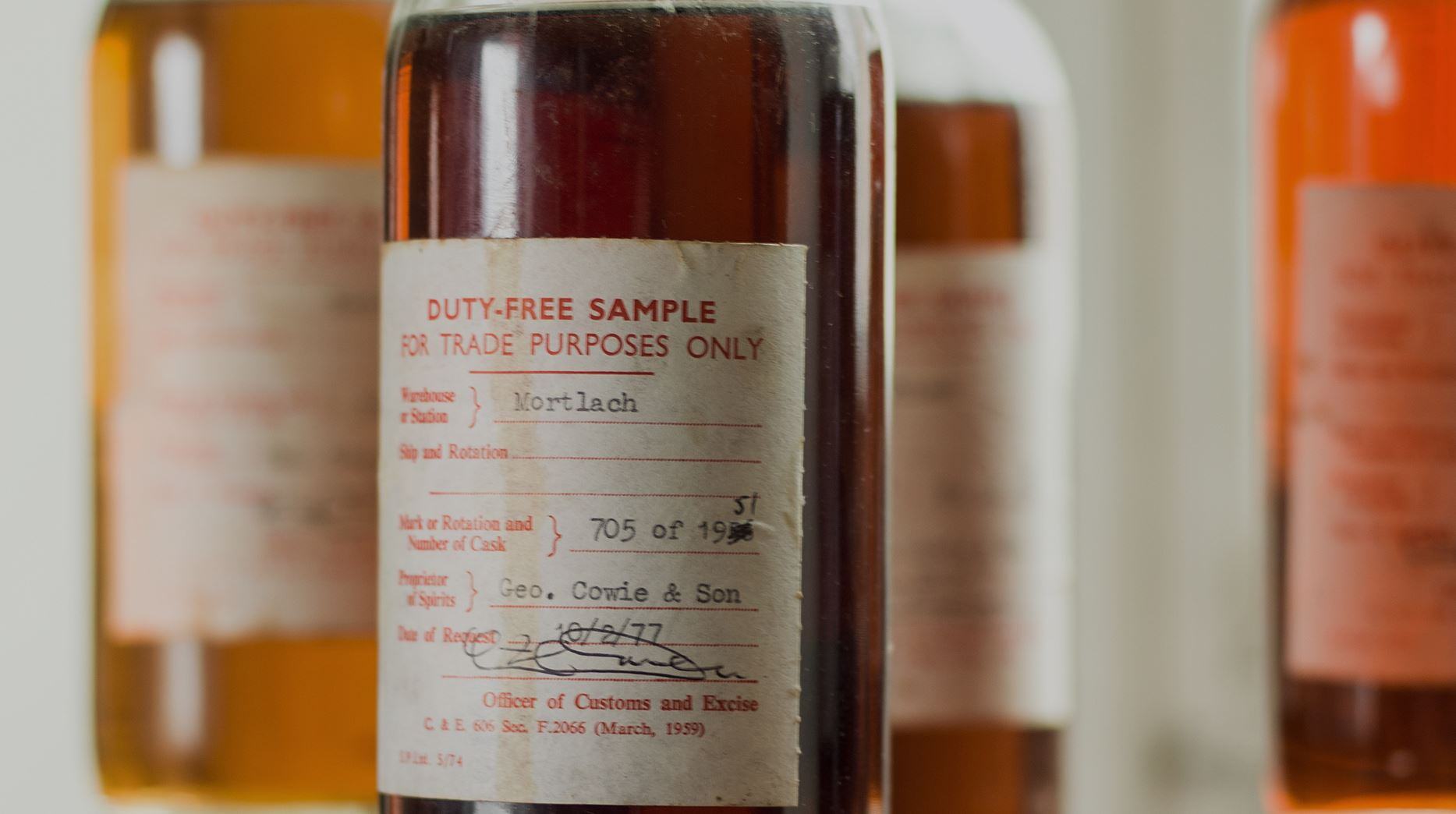
At the very heart of our business lies the sample room, its contents the sum of over a century of experience in maturing and bottling the finest Scotch Whisky.

Our unrivalled collection is a liquid library of distilleries, age profiles and whisky character.

But these exceptional snapshots in time are not heirlooms there to impress.

They exist to help inform and shape our future decision-making. Generations before us have maintained this invaluable legacy of knowledge, which allows Gordon & MacPhail to continue its precise understanding of
the effect of perfect maturation in oak casks.


Referring back to these unique expressions of the past ensures that our legacy of great whiskies can continue, as each future sample we place on our shelves becomes a valuable piece of history. 

A close up of whisky casks in a Gordon and MacPhail warehouse

Wood type

“Every detail is important, from branch to barrel” 

If we didn’t have casks, we wouldn’t have whisky. It is the interaction within oak casks which is so fundamental to the end result; a slow transformation of clear new-make spirit into Scotch Whisky, creating a golden liquid with exceptional flavour.

As much as maturation matters, so does perfect timing and the perfect
cask. Choosing the right casks to transform our specially selected clear
new-make spirit into the best quality whisky is where our experience and
expertise excels.

From the species of tree to the level of heat charring on the inside of a finished cask, it is imperative that we have control over every aspect. From branch to barrel, we aim to deliver a perfectly matured whisky time and
again.


Over the next few sections we will explain the details we specify for our casks, what impact these decisions have on maturation, and how we maintain and manage our wood, for the benefit of our whisky. 

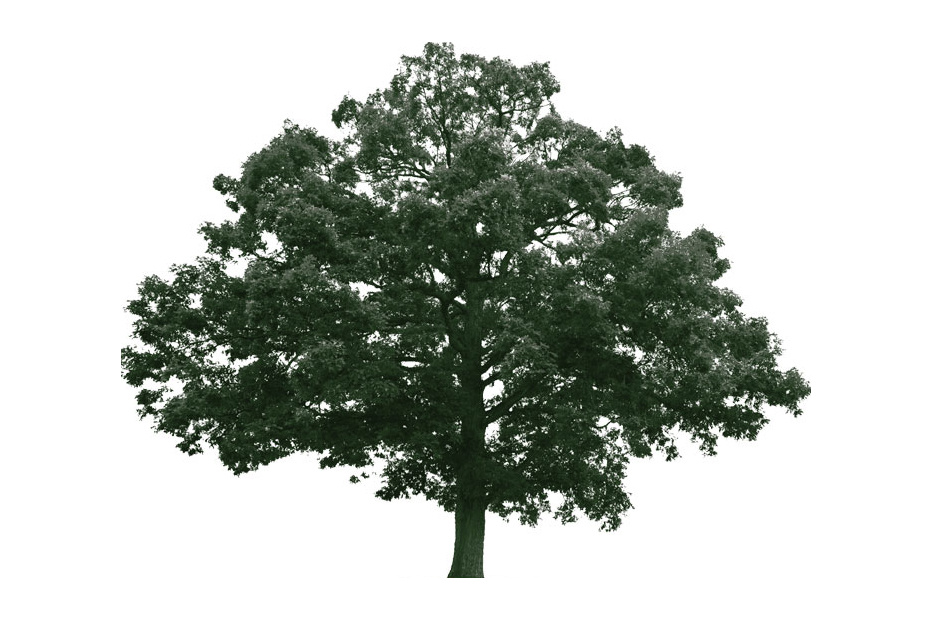
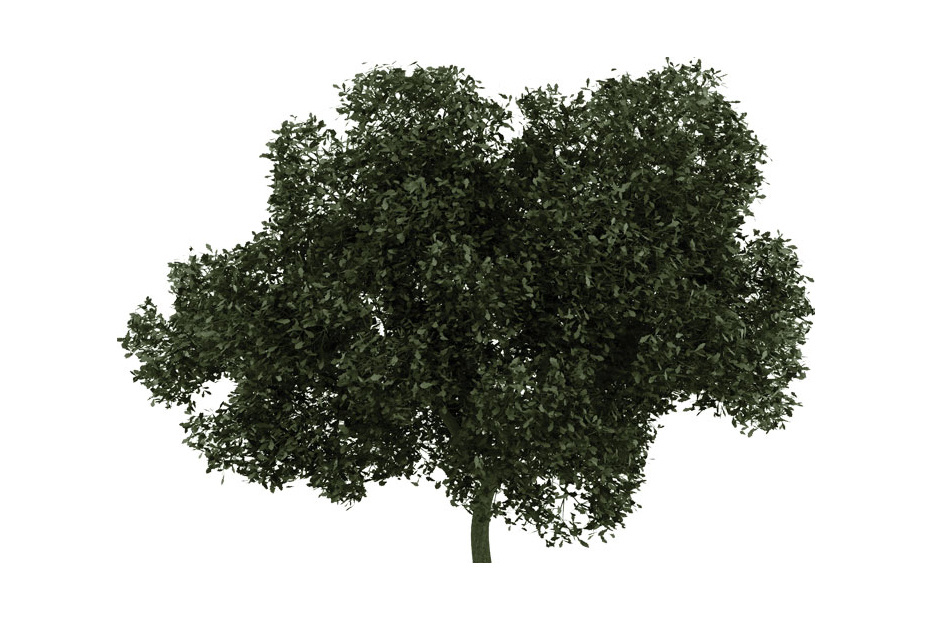
European Oak tree also know as Quercus Robur

European Oak

Also known as Quercus Robur, European Oak is the wood type traditionally used to manufacture Sherry casks. Quercus Robur contains up to three times the tannin levels compared to Quercus Alba, giving a spirit a dry astringency in the early stages of maturation. Over time, lignin compounds break down slowly, releasing more intense notes of spice and toffee into the spirit. Quercus Robur is a slower growing species of oak, which leads to a wide grain. This wide grain results in a whisky with a highly developed complexity and character.
American White Oak tree also known as Quercus Alba

American White Oak

United States of America law decrees that every American bourbon barrel must be manufactured from Quercus Alba. Perhaps more surprisingly, the majority of newly produced Sherry casks are also made from imported American Oak. It is estimated that up to 97% of new casks used to mature Scotch whisky are currently made from Quercus Alba, whether ex-bourbon or ex-Sherry. Quercus Alba is high in compounds called oak lactones, which help to deliver a sweet, fragrant aroma, characteristically found in American Bourbon and often described as coconut, vanilla or citrus notes. Quercus Alba is a much faster growing variety of oak, which thrives in the US climate. It has a tighter grain than European Oak, which means a spirit extracts sweet and delicate flavour compounds.
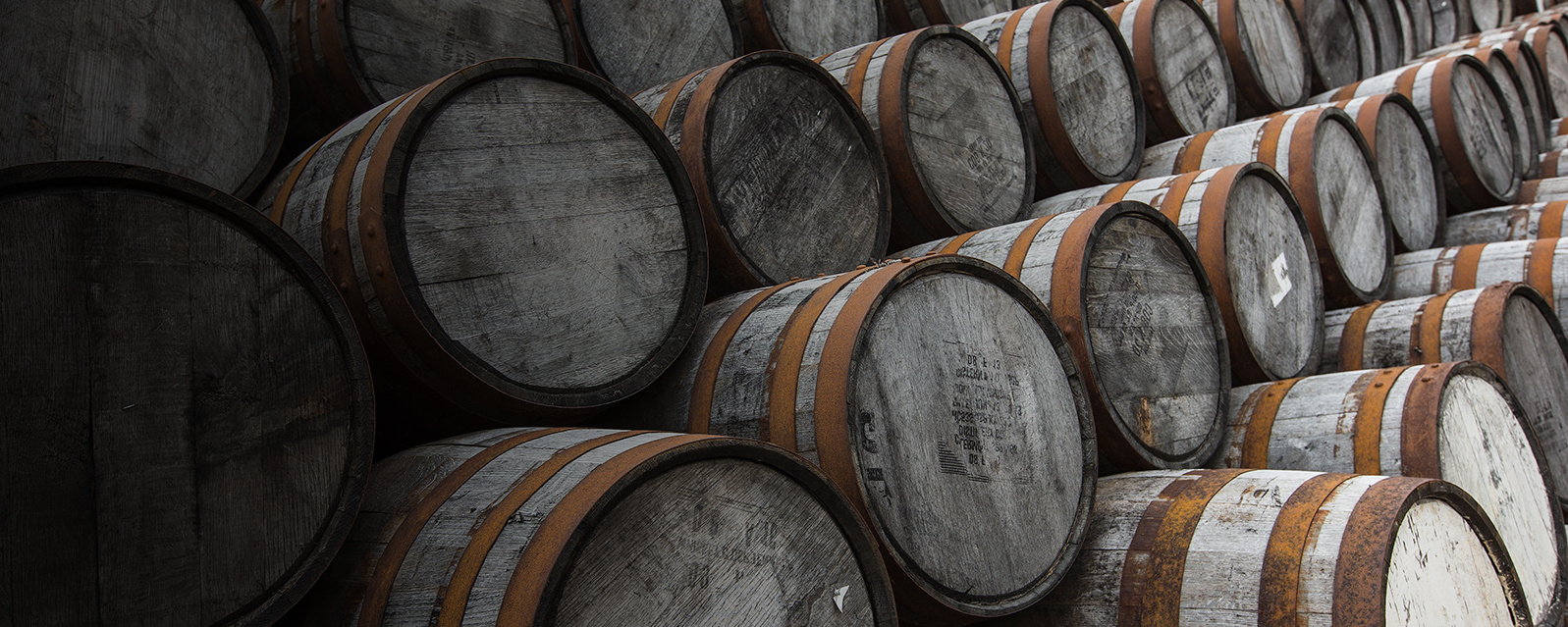
Stacks of whisky casks in a Gordon and MacPhail whisky warehouse

The initial fill

It is traditional in Scotch whisky production to use casks which have previously held another style of drink in order to season the casks, before filling them with clear new-make spirit. There are two main styles of cask which are used across the industry. We make these casks our focus. It is the alchemy that occurs over time inside high quality oak casks, which turns the silvery new make spirit into vibrant golden whisky.
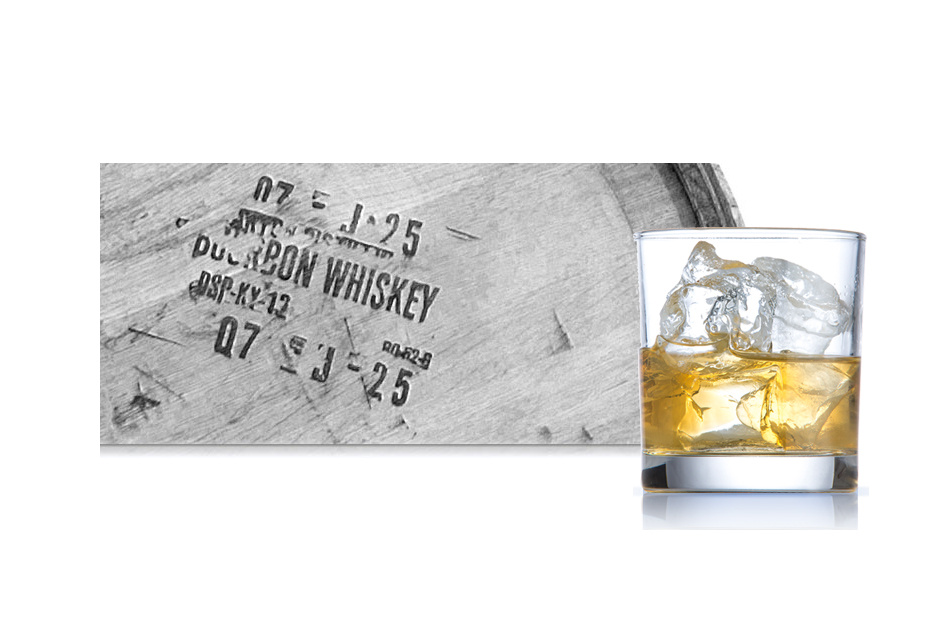
A glass of bourbon whisky and a bourbon cask owned by Gordon and MacPhail

Bourbon

American Bourbon whiskey is made primarily from maize, along with a mixture of other cereals such as barley, rye and wheat. Distilled in both large column stills and pot stills, the whiskey is matured in warehouses, which can be subjected to extremes in temperature.

At Gordon & MacPhail, we frequently use casks that have previously held American Bourbon whiskey. These casks impart specific flavours into our maturing Scotch and it is imperative to perfectly match the style of new-make spirit with the individual attributes that each cask brings to the maturation process
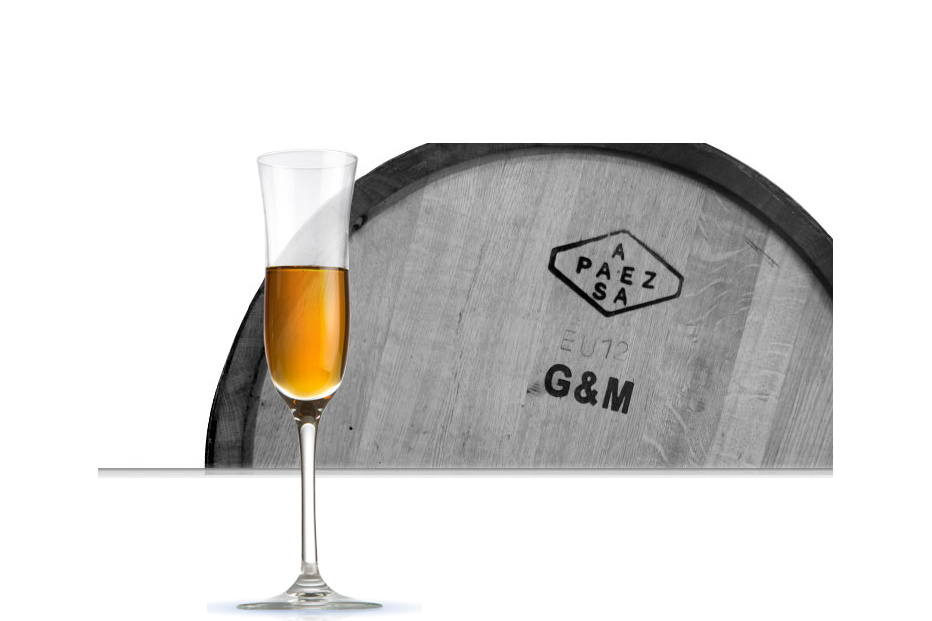
A glass of sherry in front of a Gordon and MacPhail whisky barrel

Sherry

Sherry is a Spanish white wine which has been fortified by the addition of a spirit distilled from grapes. The combination of the two is subsequently aged in oak casks. There are a number of different, charismatic styles of Sherry: from the light, bone dry freshness of a Fino, the robust dark and nutty character of Oloroso, through to the heavy, rich, sweet and spicy notes of a Pedro Ximénez. These varying styles will have different alcohol contents and enhanced levels of oxidation to create their unique flavour profiles.

Sherry casks are highly sought-after in the Scotch Whisky business. They make up a substantial part of our wood portfolio at Gordon & MacPhail, despite the fact that they can be up to three times more expensive than American Oak barrels. We typically select ex-Oloroso Sherry casks for the maturation of our Sherry-matured whiskies.
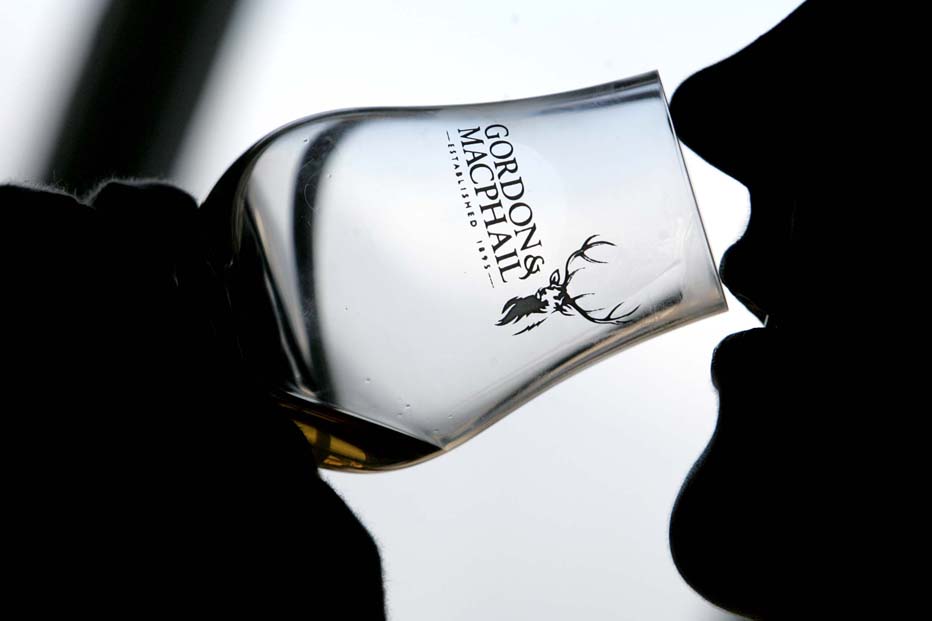
a close up of a glass of Gordon and MacPhail whisky being nosed.

Cask flavours

Bourbon whiskey is matured in fresh, unused or ‘virgin’ oak casks, which contain concentrated flavour compounds. The casks are heavily charred, which is a process that opens up the,wood grain to speed up maturation. This gives the spirit a highly distinctive, sweet, aromatic character along with a vibrant colour. As a result, Bourbon-matured Scotch whiskies carry flavours which can be derived from both the wood type and previous spirit matured in the cask. Typically, whisky matured in bourbon barrels will present a base of vanilla sweetness, vibrant and light aromas, with fresh tropical fruits and beautiful ethereal top notes on the palate.

The high acidity and lower alcohol content of Sherry have a distinguishing effect on the wood, extracting more watersoluble flavours from the staves. These factors combine to make Scotch whisky matured in a Sherry cask a unique and unmistakeable experience.


A typical Sherry-matured whisky will carry notes of rich dried fruit and spice, with a nutty, unctuous mouth feel.

A stack of Gordon and MacPhail whisky casks

Relationships

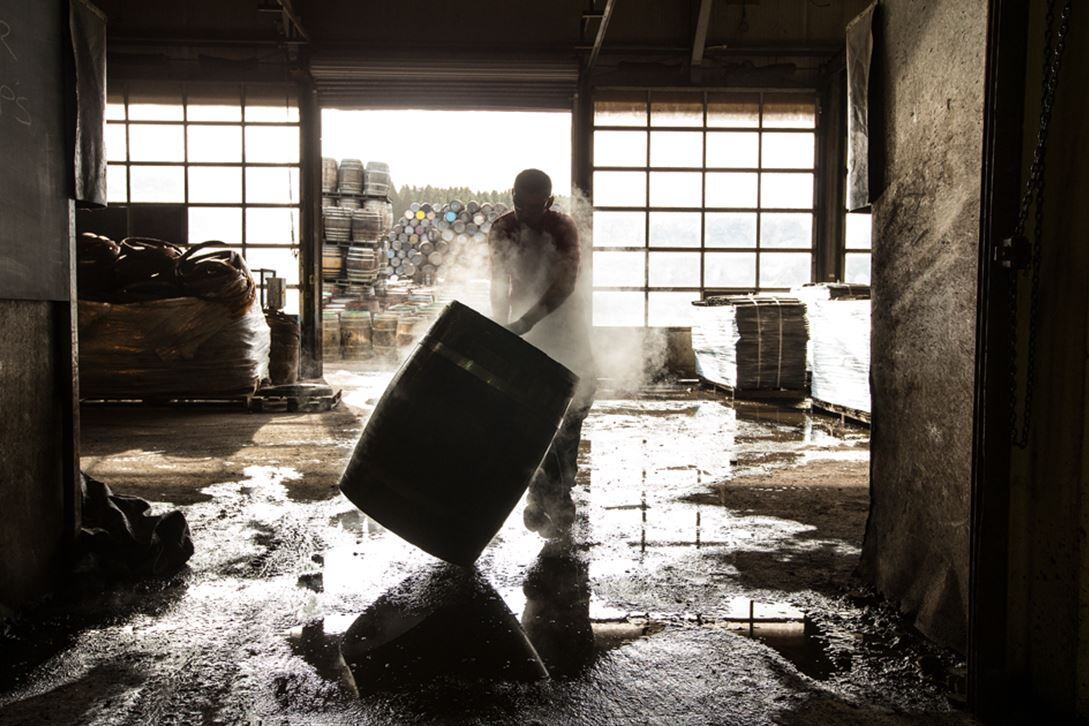
A cooper working on a Gordon and MacPhail whisky cask in a cooperage

Our Relationships

Building and nurturing long lasting relationships with our suppliers is firmly ingrained into the Gordon & MacPhail way of doing business. This is perfectly exemplified by the relationship with those who supply our casks.


These long-standing partnerships not only ensure the exacting quality of oak that we require, but also that we are able to specify the precise details of how a cask should be conditioned and seasoned to the finest degree.


We have been maintaining relationships with our coopers since the early 1900s, built on the fundamental principles of friendship: respect, support, and honour.


Until the 1970s Gordon & MacPhail imported Sherry from some of the very best Spanish bodegas, bottling the contents at our home in Elgin, for sale across the United Kingdom. As a result, this provided us with a consistent supply of fresh, handpicked Sherry casks, which would become perfect maturation vessels for our whisky. 


Despite a change in the law requiring all Sherry to be bottled in Spain, we have continued to reinforce our strong relationships with the bodegas. We visit our long-standing friends in Jerez regularly to continue hand selecting our casks, the same way we have always done. 


We have also maintained our historical association with the Speyside Cooperage in Craigellachie, which lies just ten miles down the road from us. Highly experienced coopers are responsible for providing us with the very best quality ex-Bourbon casks made from American Oak. 
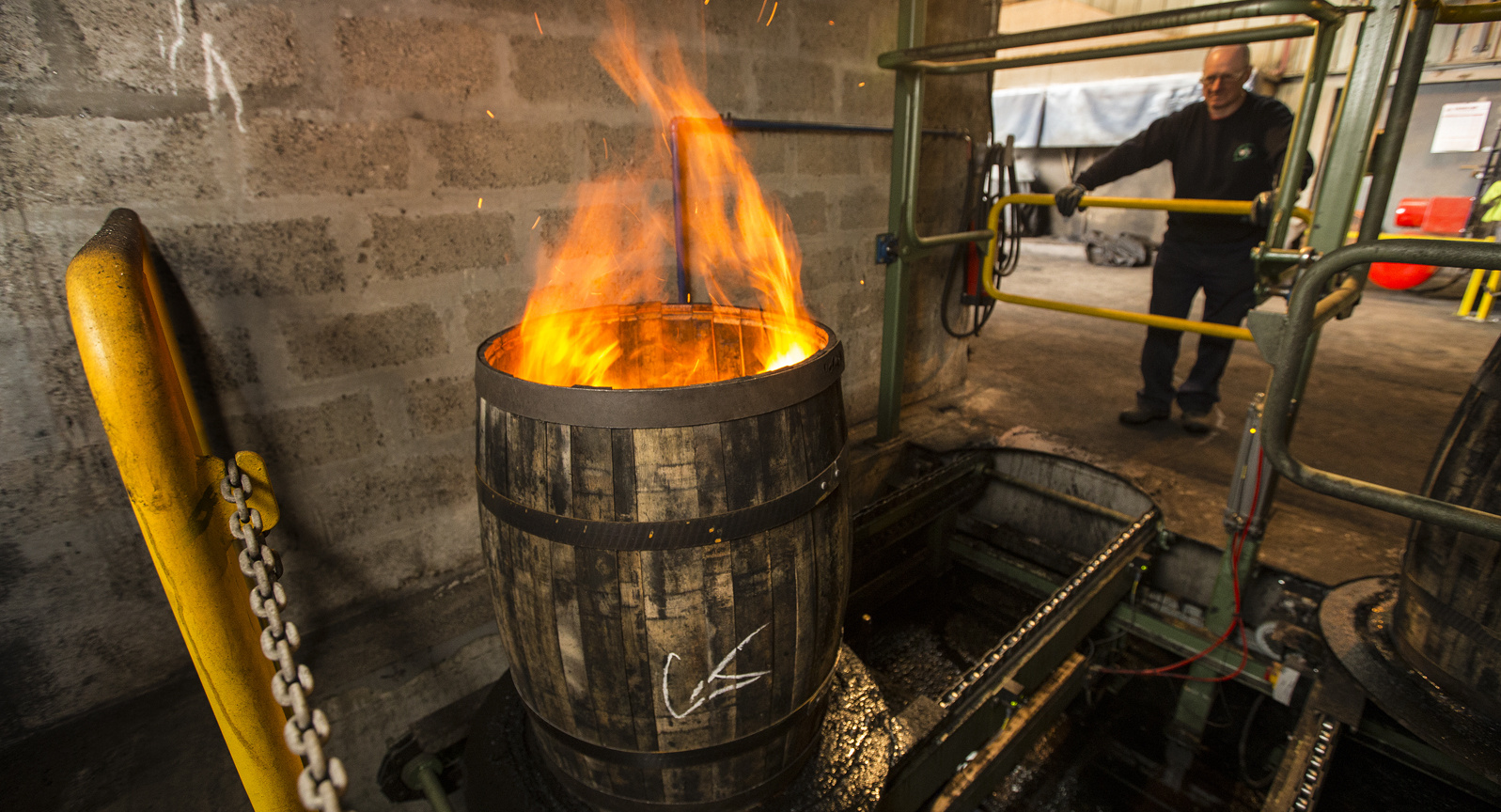
A Gordon and MacPhail cask being charred.  Flames coming out of a whisky cask at a cooperage

Cask specifications

Size, stave thickness, toasting, and charring
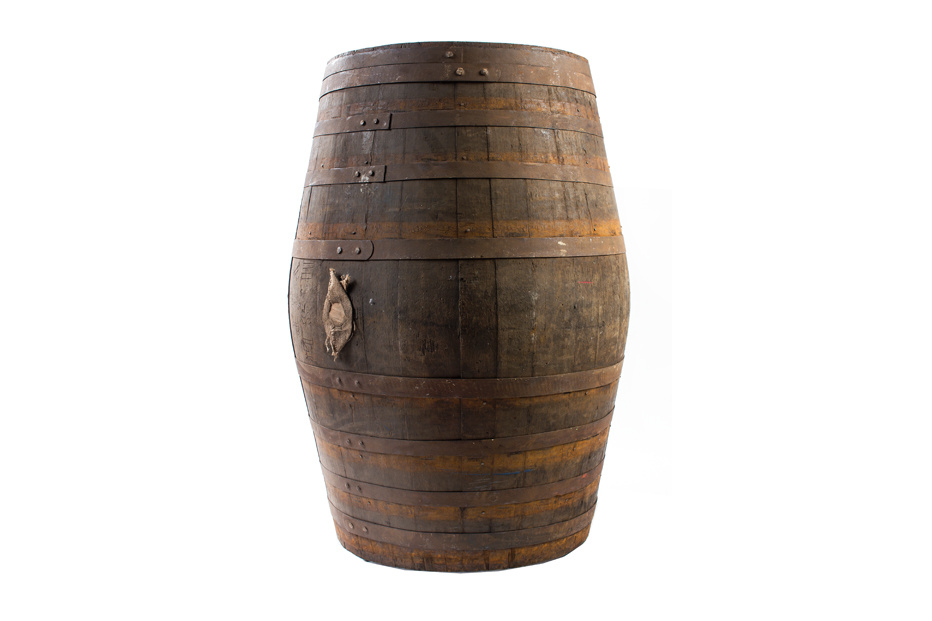
Size

The size of the cask has an effect on the overall maturation of the whisky, and the final flavour profile. The relative surface area of the wood to the spirit will influence the speed at which flavour compounds are extracted from the carefully coopered staves into the whisky itself.

The three most common cask sizes used in Scotch whisky maturation are butt, hogshead, and barrel.

Butt whisky Barrel owned by Gordon and MacPhail

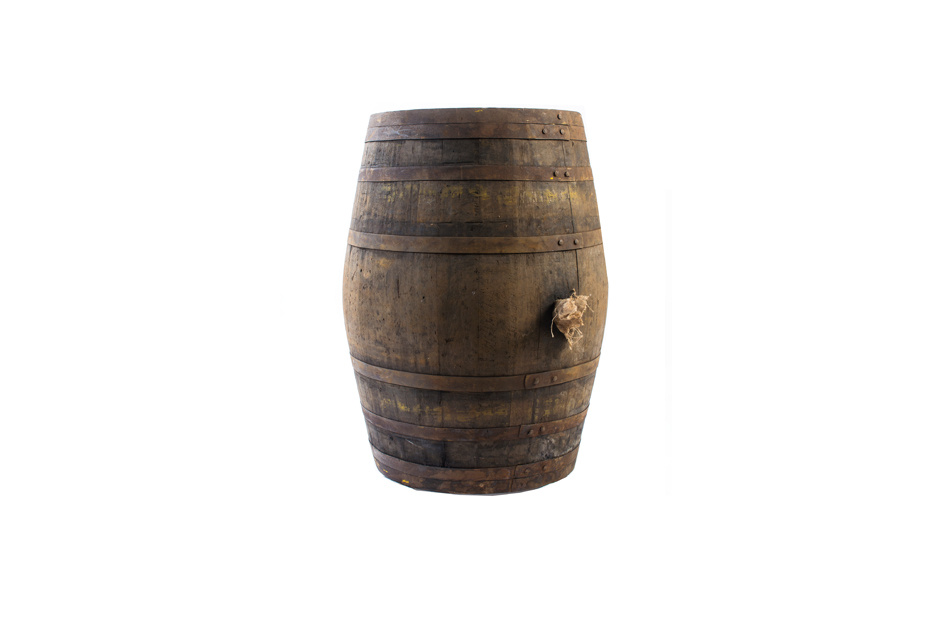
Butt

500 litres Almost exclusively ex-Sherry Smallest surface area per litre Slowest maturation More time for alcohol to break down flavour compounds, more oxygen available to oxidise; less woody flavours, more complex tobacco, fig, and spice flavours.
A Hogshead whisky cask owned by Gordon and MacPhail

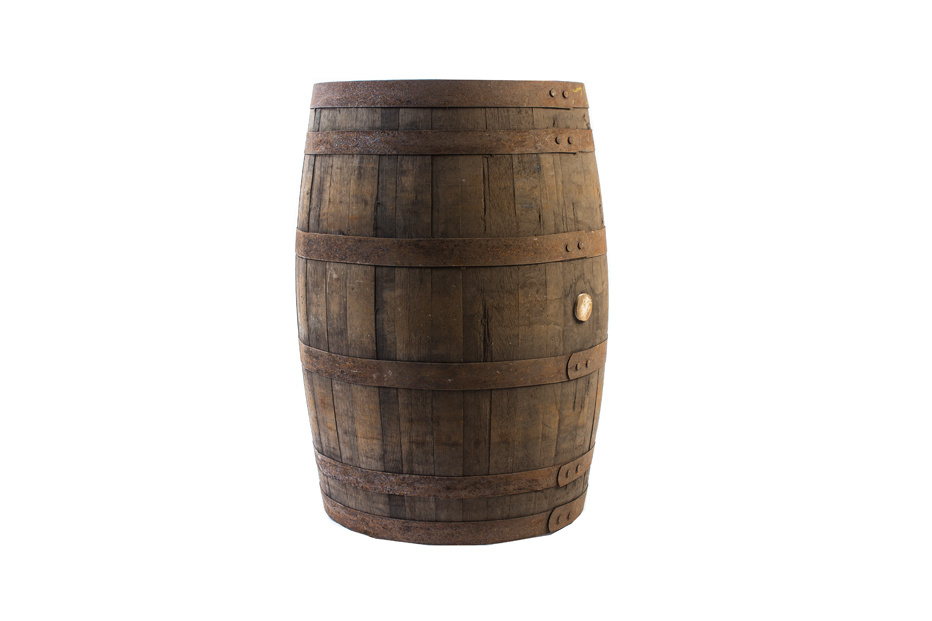
Hogshead

250 litres There are two types of hogshead casks: Re-made hogshead is traditionally made by Scottish coopers by adding staves to barrels to increase the size resulting in sweet vanilla flavours Sherry hogshead is the smaller brother of the Sherry butt producing similar fig and spice flavours
A whisky Barrel owned by Gordon and MacPhail

Barrel

200 Litres Generally ex-American Bourbon Largest surface area per litre Fastest maturation Likely to yield sweet, fruity flavours
Stave thickness

Affects the speed and makeup of evaporation of volatile compounds from the spirit, influencing flavour profile.

Preparing the cask

During coopering the inside of the cask is heated. This serves two purposes: firstly it makes the wood more pliable for easy shaping; secondly the process begins to change the chemistry of the wood.

Heat transforms flavourless wood compounds into rich aromatic compounds that can be extracted during whisky maturation. The layer of carbon also extracts undesirable flavours and compounds.

The temperature level reached and length of time fired during this heating process make a big difference to the flavour profile of the wood. The heat levels cover a continuum from light toasting to heavy charring.

Gordon & MacPhail specifies these variables to an exacting degree based on the fate of the cask.

A close up of a cask on its side in a Gordon and MacPhail whisky warehouse

Right cask, right time.


During maturation, monitoring casks activity (the speed at which the wealth of flavours from the cask are extracted by the maturing whisky) is incredibly important. Gordon & MacPhail endeavour to bottle at the point where the wood and spirit flavours are perfectly balanced for the style of whisky sought. 

Across our range the type of cask and the distillery character will vary however, our experience has given us a detailed understanding of the maturation process to guide us. This means we can determine when our whiskies are ready maintaining the highest quality in every single bottle.

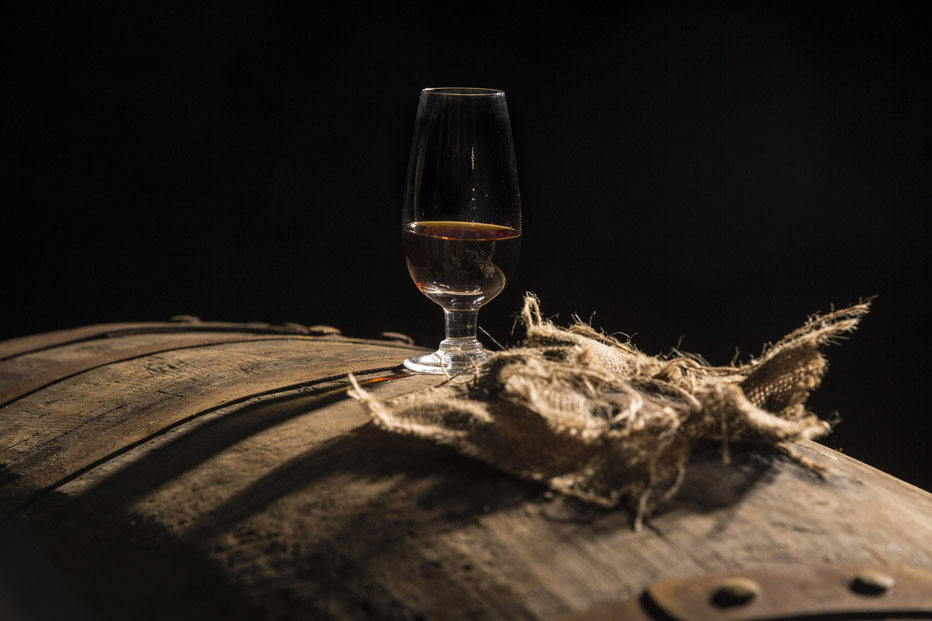
A glass of whisky sitting on a Gordon and MacPhail whisky cask

Timing is everything

[close video]
The inside staves of a Gordon and MacPhail whisky cask

Cask management

Every cask has a fate, and every cask develops differently. Of several comparable casks filled with the same batch of spirit, some may yield the perfect whisky after ten years, whereas some take a little longer to reach their extraordinary potential. 

Cask management is the process of sampling casks as they mature, deciding when to bottle our whisky, or simply to leave alone. 

Learning to leave a cask to reach its full potential, undeterred by demand or necessity, is the hardest skill of all and one in which we pride ourselves here at Gordon & MacPhail.

It is a skill born of experience and rooted in our unique liquid library, which helps our highly skilled team determine the fate of each individual cask in our portfolio

The longer a whisky is in cask, the more sampling is required in order to get the bottling time just right to ensure a complex, subtle, and balanced
whisky.

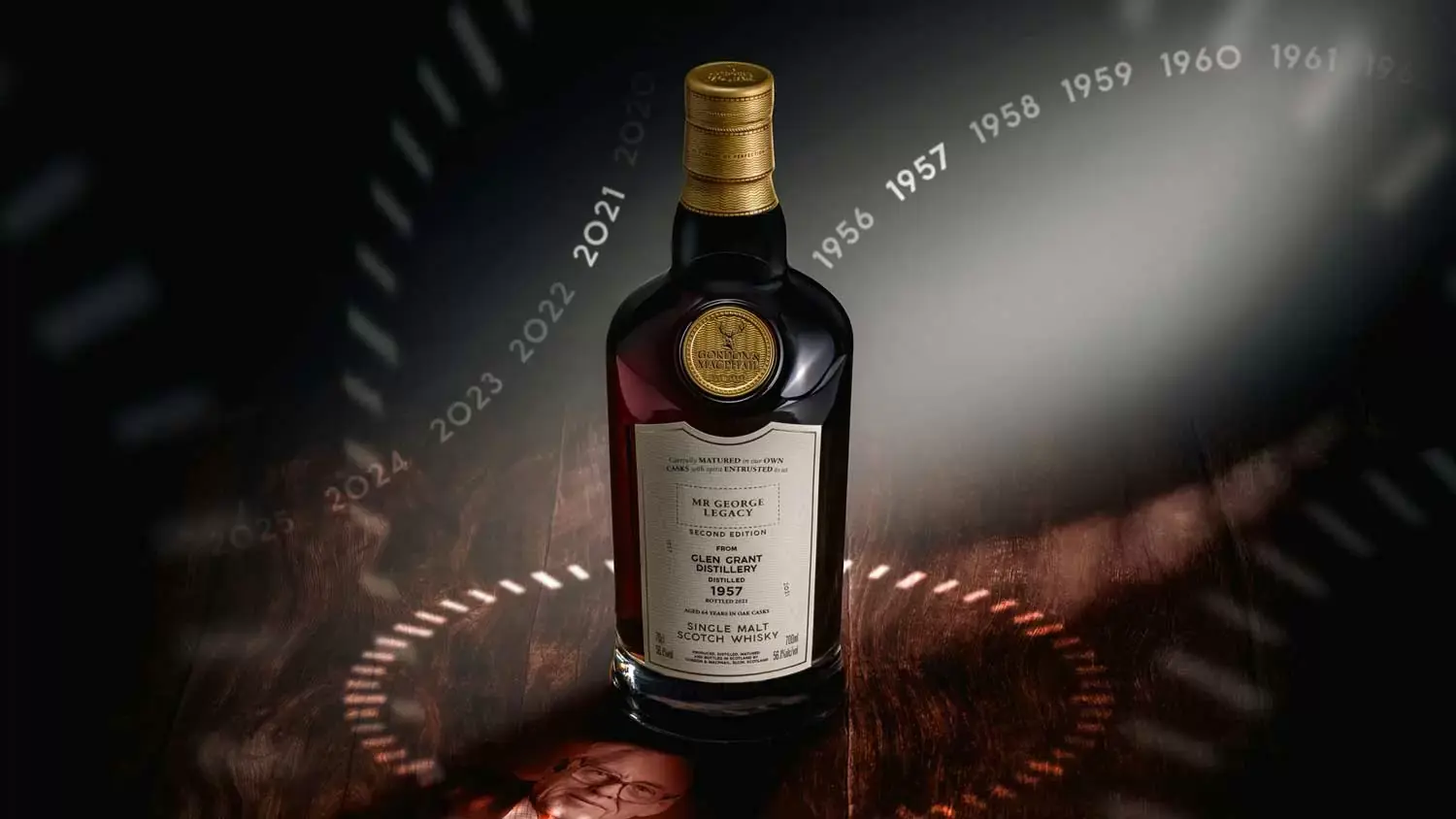
This is perfectly illustrated by the timeline of Generations Mortlach 75 Years Old by Gordon & MacPhail (right). Every gold dot represents asampling assessment of the whisky. Notice how the frequency of the sampling increases as the whisky ages. The older the cask the more unique the character becomes, so the more often we need to check to make sure that we bottle at its absolute prime.

placeholder_200x200
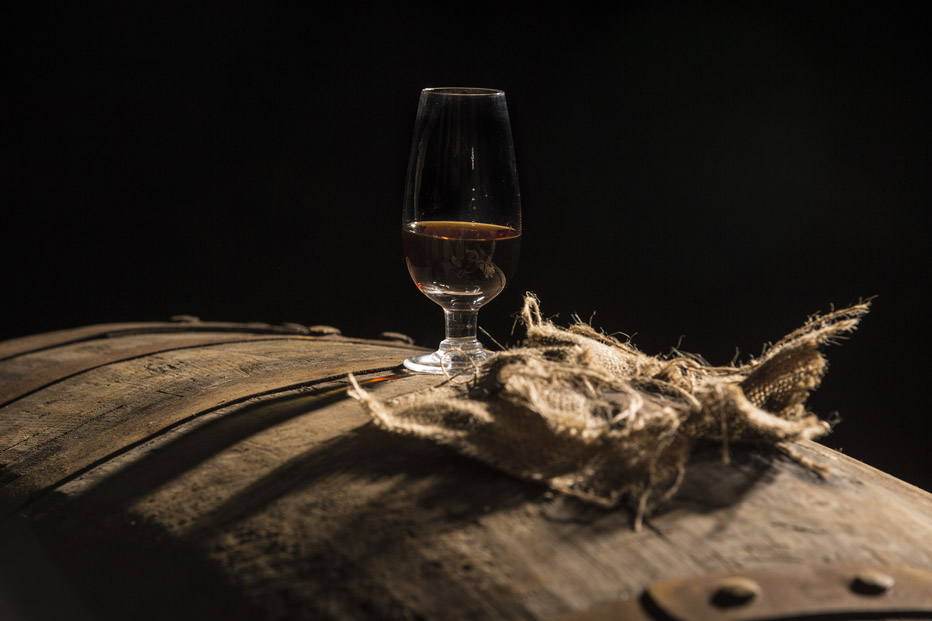
A glass of whisky sitting on a Gordon and MacPhail whisky cask

When it's ready

There is always an element of anticipation when we decide whether a cask is ultimately ready to be bottled. After silently maturing in warehouses, developing individual characteristics, the casks are moved to our bottling hall in Elgin. This is where one journey ends and another begins.


Once we have decided on the precise strength the whisky should be bottled at, we add the liquid from the cask and the required amount of local water into a marrying vessel, where it is allowed to develop and combine naturally over a ten day period. This is a process that we have adhered to for over fifty years, as we feel that an additional period of rest is essential to allow the unique qualities of the whisky to truly shine through. 

With water being the only addition, the colour of the whisky you see in each bottle is completely natural. We simply don’t believe in adding caramel colouring to our whisky. As a result, the rich, natural hues range from light gold, radiant ambers, through to darker chestnut tones, each one a telling snapshot of a maturation timed to perfection; the ultimate goal to create consistency from a natural product. 

A close up of a whisky sample bottle at Gordon and MacPhail

The perfect match
of spirit and oak

Our skilfully coopered casks, which have previously held Bourbon or Sherry, deliver a full spectrum of flavour compounds: from sweet, vanilla, and tropical fruit notes, to rich toffee, dark chocolate, and spice notes. The array of flavours derived from wood is abundant across the Gordon & MacPhail portfolio with each whisky demonstrating its own unique flavour profile reflecting both the distillery character and the cask type

Request a booklet

Learn more about our philosophy, our good wood policy, and cask maturation with The wood makes the whisky booklet.